
Nine effective strategies.
PDF Version
Decreasing Core Loss
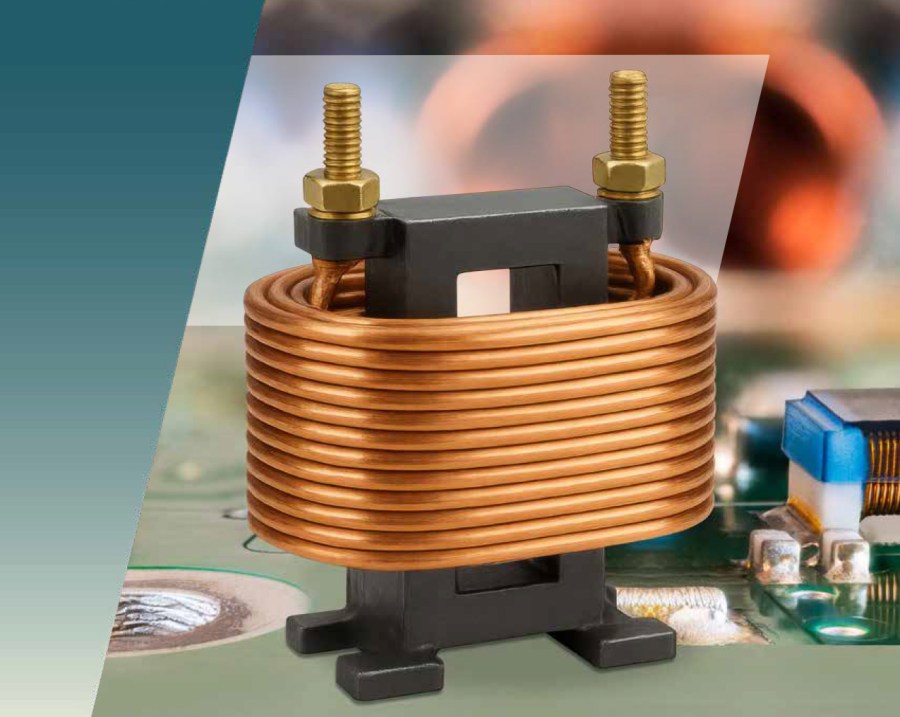
The total loss in a magnetic component is heavily dependent on the proximity and orientation of its winding to the gap in the coupled core and can be significantly reduced by optimizing the core structure’s design. Ferrite cores are ubiquitous in the design of high-frequency transformers and inductors. One common approach to minimizing AC winding resistance is the use of distributed gap core structures. Here are some strategies:
1. Distributed Gap Design
In a distributed gap structure, gaps are introduced at multiple locations in the core rather than being concentrated in a single area. This helps in reducing the magnetic flux density, particularly in regions where the field strength is high, thus decreasing core loss. Distributing the gaps more evenly can result in a more uniform distribution of magnetic flux, minimizing localized saturation and reducing hysteresis losses.
2. Optimized Gap Placement
Careful placement of gaps in areas with high magnetic flux density or high field strength is crucial. Analyze the magnetic field distribution within the core and strategically place gaps to alleviate stress and reduce losses. Finite Element Analysis (FEA) and simulation tools can be employed to study the magnetic field and optimize gap placement.
3. Gap Size and Shape
The size and shape of the gaps play a significant role in reducing core loss. Smaller gaps can decrease the magnetic reluctance, while the shape of the gap can influence the distribution of the magnetic flux. Experiment with different gap sizes and shapes to find
an optimal configuration that minimizes core losses.
4. Material Selection
The choice of ferrite material also affects core loss. Different ferrite materials have varying magnetic properties. Select a material that is tailored to your specific application, taking into consideration factors like operating frequency, temperature, and magnetic field strength.
5. Use of Ferrite Cores with Low Loss Characteristics
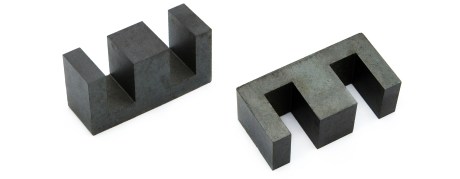
Some ferrite materials are designed with a focus on minimizing core losses. Look for ferrite cores specifically engineered for low hysteresis and eddy current losses.
6. Temperature Considerations
Core loss in ferrites can be temperature-dependent. Ensure that the ferrite material chosen is suitable for the operating temperature range of your application.
7. Optimizing Winding Techniques
The way the winding is done around the core can also impact core loss. Employing optimized winding techniques can help in reducing leakage inductance and associated losses.
8. Shielding and Insulation
Properly shield the core and insulate windings to minimize the impact of external electromagnetic interference, which can contribute to increased eddy current losses.
9. Get Advice
Always keep in mind that the optimization process may involve a trade-off between different factors, such as cost, size, and performance. Experimentation, simulation, and iterative design are often necessary to achieve the best balance for a specific application. Consulting with experts in magnetics and utilizing simulation tools can be beneficial in the design process.
Need support for custom power magnetics design?
Standex Edge partners with engineers to develop custom magnetic solutions for demanding power applications. When insulation design, component construction, and performance requirements must work together, early collaboration can help reduce risk and improve design confidence.
Related Articles
-
Optimizing Motor Performance
How Custom Standex Edge Magnetics Maximized the Flexibility and Scalability of a Motor Manufacturer’s Motion Solutions.
-

Planar Transformers
How to Select Planar Magnetics for Low Profile, High Reliability Industrial System Designs
-

Smart Grid Thermal Management
How Temperature Managing Magnetics Improve Efficiency, Reliability, and Power Density in Smart Grid Systems
-

Leading Edge Smart Grid Magnetics
Designing Power Magnetics Components to Meet Today’s Smart Grid Standards
-

Get the E-D-G-E
…in Custom Defense and Aerospace Magnetics Solutions.